


Empress Elisabeth of Austria, Sisi, in An Enigmatic Woman

Empress Elisabeth of Austria, better known as Sisi, was one of the most famous royal women of the nineteenth century. Beautiful, restless, unconventional, and often uneasy within the strict world of the Habsburg court, she became a figure of fascination across Europe during her lifetime and a legend after her death.
In An Enigmatic Woman, Sarah F. Noel fictionalises Empress Elisabeth as a distinguished guest whose presence at Plas Newydd brings danger into the household of Henry Cyril Paget, 5th Marquess of Anglesey, known as The Dancing Marquess. Her arrival draws Tabitha and Wolf into an investigation shaped by secrecy, aristocratic performance, political tension, and threats against a woman whose fame makes anonymity almost impossible.
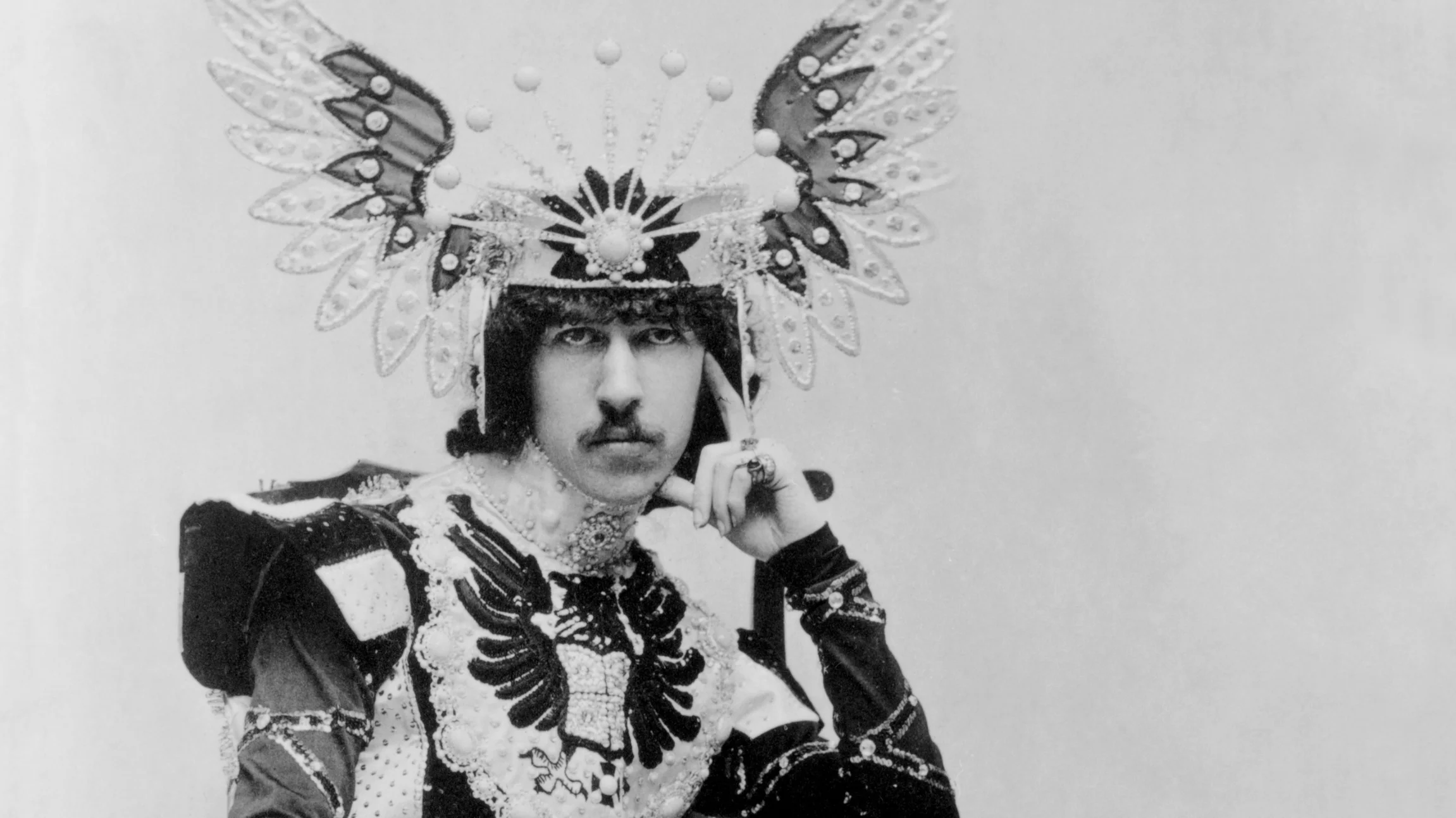
Sarah F. Noel creates a fictional friendship between The Dancing Marquess and Empress Elisabeth of Austria. While this is not at all based on historical fact, they seemed like two eccentric characters who could have met and certainly would have become friends if they had.
Who was Empress Elisabeth of Austria?
Elisabeth was born Duchess Elisabeth in Bavaria in 1837. In 1854, she married Emperor Franz Joseph I of Austria and became Empress of Austria. After the Austro-Hungarian Compromise of 1867, she also became Queen of Hungary.
Known for her beauty, long hair, strict physical routines, and resistance to the ceremonial constraints of court life, Elisabeth became one of the great royal celebrities of the nineteenth century. She travelled widely, disliked rigid public display, and was often portrayed as a romantic, melancholy, and elusive figure.
Her life ended violently in 1898, when she was assassinated in Geneva by the Italian anarchist Luigi Lucheni. Her death shocked Europe and deepened the mythology that already surrounded her.
Sisi in modern popular culture
Many readers now know Elisabeth through Netflix’s The Empress, which dramatises the young Elisabeth’s marriage to Emperor Franz Joseph and her entry into the tensions, intrigues, and expectations of the Viennese court.
An Enigmatic Woman is not connected to Netflix’s The Empress. It is a separate fictional Victorian mystery. However, readers who have become interested in Sisi through the series may enjoy encountering a fictionalised version of Empress Elisabeth later in her life, when her fame, restlessness, and vulnerability had made her one of the most compelling figures in Europe.
Empress Elisabeth in An Enigmatic Woman
In An Enigmatic Woman, Empress Elisabeth has taken refuge at Plas Newydd, the Anglesey estate of Henry Cyril Paget, 5th Marquess of Anglesey. She is travelling under conditions of secrecy after receiving threats against her life, but secrecy proves difficult to maintain when the guest in question is one of the most recognisable women in Europe.
When Tabitha and Wolf arrive at Plas Newydd, they find a household already unsettled by tension, spectacle, and uncertainty. The marquess’s extravagant world of performance and display becomes the setting for a more dangerous question: who would wish to harm the Empress, and how close have they already come?
The Sisi who appears in the novel is fictionalised, but she is shaped by the real historical Elisabeth’s public image, her love of travel, her unease with formal court life, and the sense of danger that followed prominent royal figures in an age of political unrest. The friendship with The Dancing Marquess, as portrayed in the novel, is entirely fictional. However, they seemed like two people who would be drawn to each other.
FAQ
Was Empress Elisabeth of Austria a real person?
Yes. Empress Elisabeth of Austria, also known as Sisi, was a real nineteenth-century royal figure. She was the wife of Emperor Franz Joseph I of Austria and later Queen of Hungary.
Why was Empress Elisabeth called Sisi?
Sisi was Elisabeth’s familiar nickname. It is the name by which she is still widely known in popular culture.
Is Sisi in An Enigmatic Woman based on the real Empress Elisabeth?
Yes. The character is a fictionalised version of the real Empress Elisabeth of Austria. The novel draws on her historical fame, travels, and public image, but situates her within a fictional mystery.
Is An Enigmatic Woman connected to Netflix’s The Empress?
No. An Enigmatic Woman is not connected to Netflix’s The Empress. Both draw on interest in the real historical figure of Empress Elisabeth of Austria, known as Sisi.
Does An Enigmatic Woman show the same period of Sisi’s life as The Empress?
No. Netflix’s The Empress focuses on the younger Elisabeth and her entrance into the Viennese court. An Enigmatic Woman imagines a later, fictional episode involving Sisi at Plas Newydd in Wales.
Which Sarah F. Noel book features Empress Elisabeth of Austria?
Empress Elisabeth of Austria appears as a fictionalised historical figure in An Enigmatic Woman, part of the Tabitha & Wolf Historical Mystery Series.